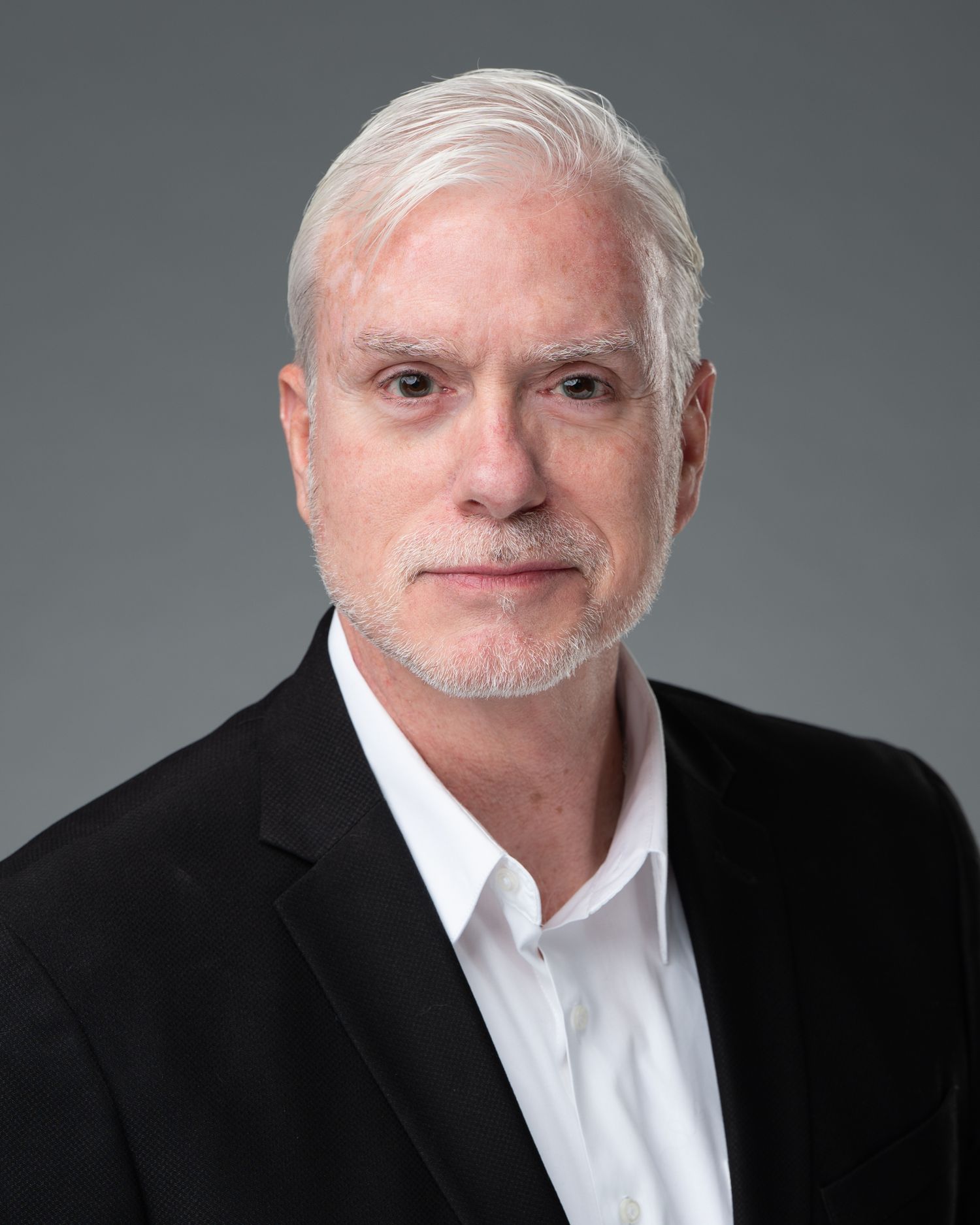
Before executives book a headshot session, most of them carry at least one assumption that's going to work against them. Some of these myths explain why headshots get delayed. Some explain why results are sometimes disappointing when they do happen. All of them are worth addressing before you walk into a session.
Myth 1: "I'm not photogenic"
This is the most common objection, and it's almost never accurate. What people mean when they say this is that photos of them have not historically looked the way they want. That's a real experience. But it's almost always a direction problem, not a structural one.
A photographer who tells you what to do with your chin, your jaw, your posture, your eyes, and who adjusts in real time based on what the camera is picking up, produces a fundamentally different result than one who points a camera at you and presses the shutter.
"Not photogenic" usually means "I've never been well-directed." That's a solvable problem.
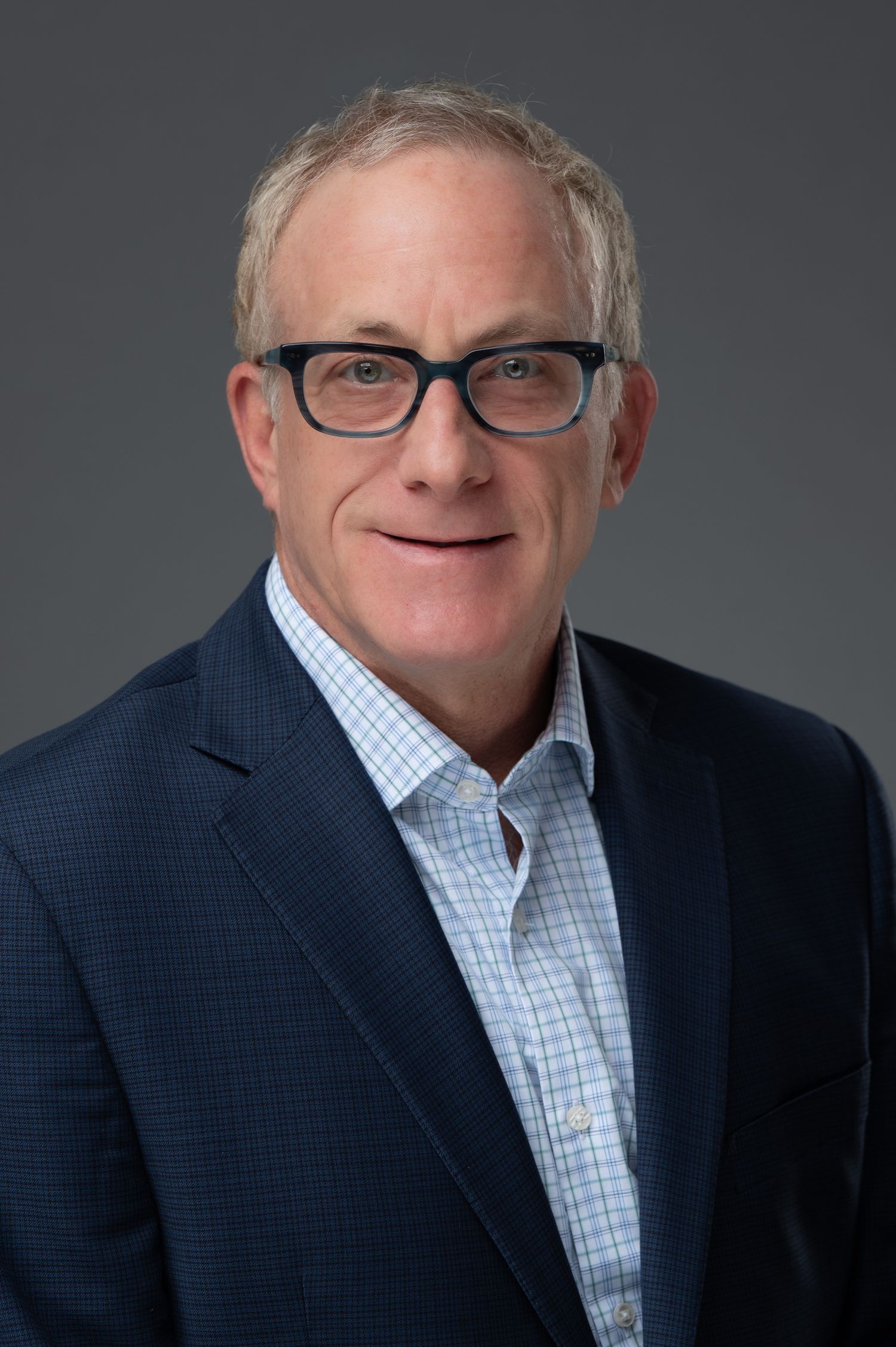
Myth 2: You need to go to a studio
Studios are convenient. They're not always the right environment for an executive portrait.
An on-location session photographed in your office, your conference room, or your building's lobby produces a different kind of photo. The environment is familiar. You're on your own ground. The result tends to project the kind of ease and ownership that's harder to replicate when you're standing against a backdrop somewhere you've never been.
On-location also eliminates travel time and puts the session in a context that reflects your actual professional life.
Myth 3: Any professional photographer can do it
Photography is a broad field. Headshots are a specialty within it.
The technical skills of a wedding photographer, an event photographer, or a commercial product photographer don't automatically transfer to executive portraiture. What headshot photography requires specifically: the ability to direct a subject, read facial expressions in real time, adjust for the nuances of how a person carries themselves, and produce results across multiple setups in a single session.
These are skills that come from doing this kind of work specifically, not from professional photography generally.
Myth 4: Your current photo is fine
The standard worth applying: if someone who hasn't met you wouldn't recognize you from your headshot, the photo is not doing its job.
Most people let headshots run longer than they should. A photo from five years ago may be technically fine, but if your appearance, your role, or your professional context has changed, the photo is representing a version of you that no longer exists.
Headshots age. So do careers. The two should stay in sync.
Myth 5: You only need one image
Different professional contexts call for different framings and crops. A square crop for a LinkedIn profile works differently than a horizontal crop for a speaker bio. A close-cropped portrait for a proposal header is different from a mid-length shot for a company team page.
A session that produces only one usable image leaves you with fewer options than you actually need. A well-structured session produces multiple distinct looks that work across the full range of contexts where your image appears.
The bottom line
Most of the friction executives feel around headshot photography comes from one of these five assumptions. Clearing them up before you book a session means you're more likely to invest in the right kind of session, and less likely to be disappointed with the result.