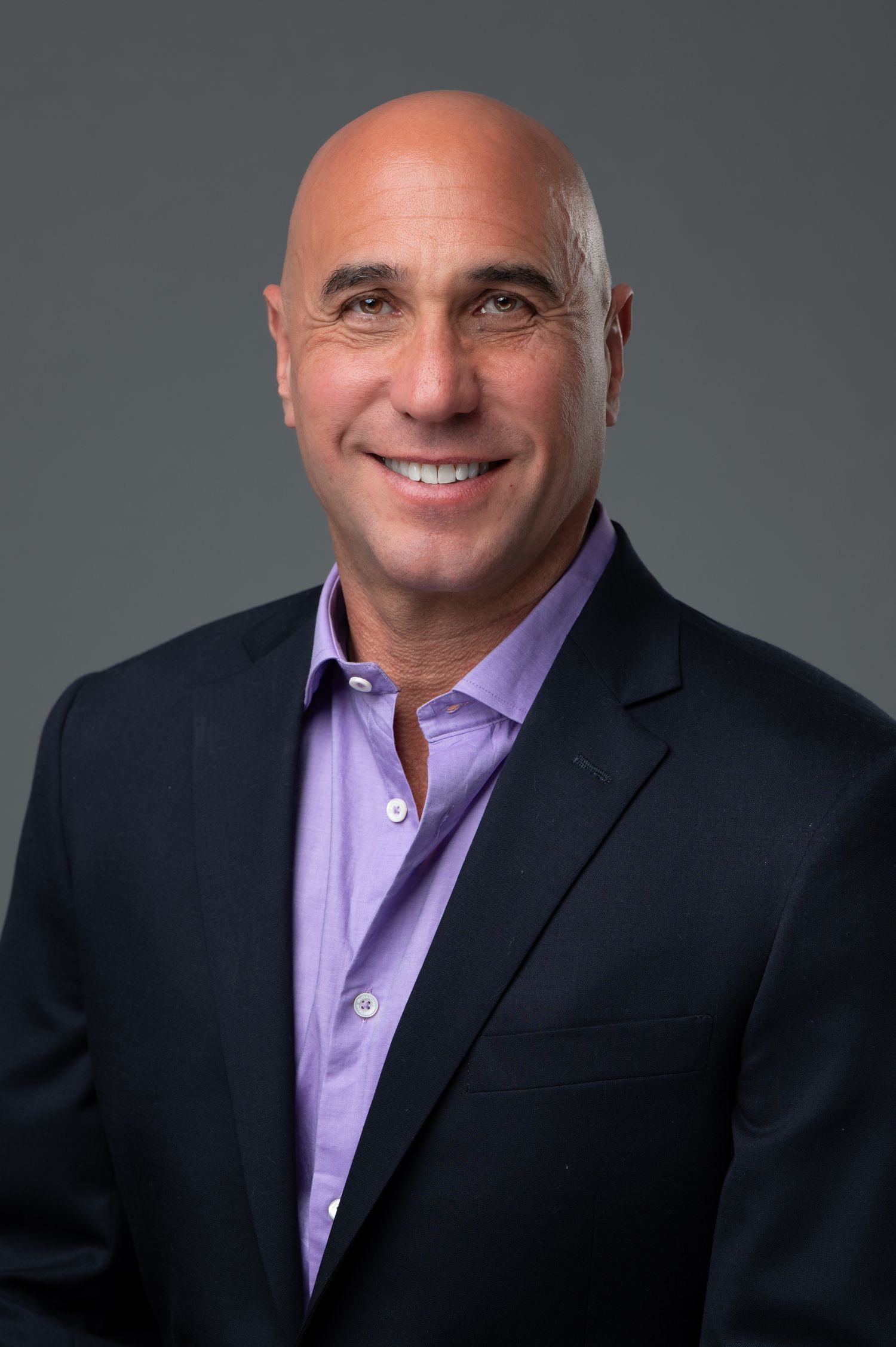
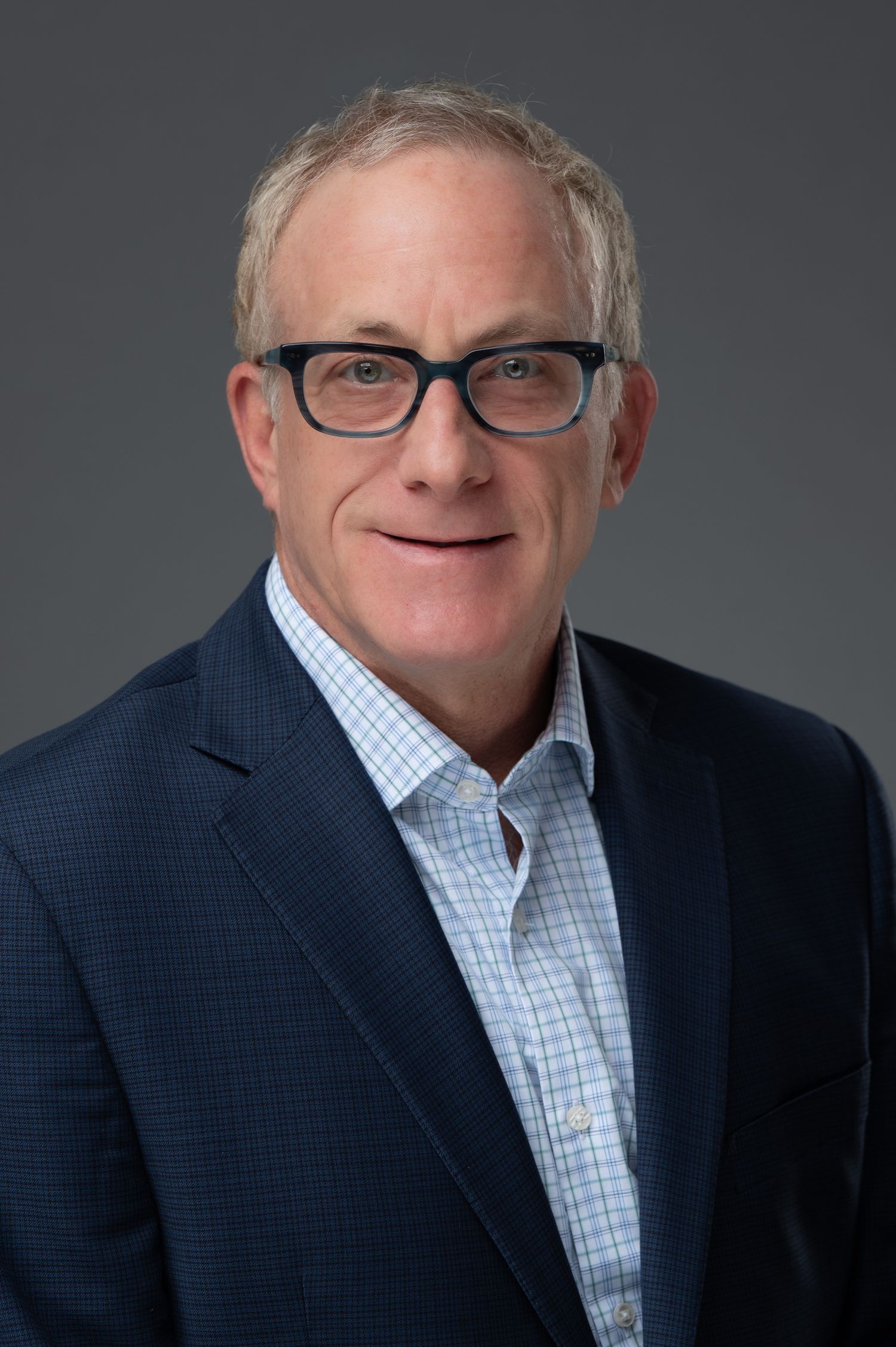
Headshot sessions are not something most executives do frequently. For many people, the last professional photo they had taken was years ago, in a context that was entirely different from what an executive portrait session involves. That unfamiliarity creates friction, and friction is part of why headshots get delayed.
Here's a walkthrough of what a quality on-location executive session involves, from the conversation before the session to the delivery after it.

Before the session
A good session starts with a short conversation about what you need and what to wear.
What you wear matters significantly. Solid colors in neutral or muted tones photograph well. Patterns and bright colors create visual noise that pulls attention away from your face. Certain collar styles, fabric textures, and accessories also work against the photo in ways that are hard to correct after the fact. Getting clear on this before the session means you're not making these decisions the morning of.
This is also the point to establish what the photos need to do. A solo executive who needs a LinkedIn profile update and a speaker bio image has different requirements than a leadership team that needs consistent results for a company team page. Clarifying the scope before the session shapes what gets prioritized.
It's also worth thinking about the physical space ahead of time. On-location doesn't mean any location works equally well. A conference room with floor-to-ceiling windows on an exterior wall can provide excellent natural light. A private office with standard overhead fixtures requires a different approach. Knowing which spaces in your building are available, and what they look like at different times of day, means the session starts with options rather than surprises.
The session
A quality on-location session for a solo executive takes time. Not because it takes long to press the shutter, but because the best results don't happen in the first few minutes.
Most people need time to get past being aware of the camera. The early part of the session is about settling in: adjusting posture, working on expression, getting comfortable with the direction. The best frames tend to come from the middle and later portions of the session, after the self-consciousness has worn off.
Direction in a headshot session is different from what most people expect. It's not posing. It's a series of small, specific adjustments: chin slightly forward, shoulders relaxed, expression allowed to settle rather than held. Most of the feedback is barely perceptible in the moment, but the difference between a frame taken before and after a single correction can be significant. You're not expected to know how you photograph best. That's the photographer's job.
Multiple setups are typical: different backgrounds within the same location, different framings — close-cropped for profile photos, mid-length for bios and team pages — and potentially a wardrobe change. The goal is to produce options that work across the range of contexts where the photos will appear, not just one usable image.
What on-location means in practice
On-location means the session happens in your environment. Your office, your conference room, your building's lobby or exterior. You don't travel to a studio. For most executives, the session fits into a regular business day without disrupting it.
This changes the result in a specific way. The environment is familiar. You're on your own ground. That tends to produce a quality of ease that's harder to replicate in a neutral studio setting somewhere you've never been.
It also means the background of the photo can reflect your actual professional context, which carries its own meaning for the people who see it.
After the session
After the session, the photographer culls the frames, identifying the strongest images from across all setups, and delivers an edited gallery of selects. You won't see every frame taken. You'll see the ones that work.
Proof delivery typically takes about a week. You'll receive a private gallery link for viewing files at proofing resolution. Final retouched images are delivered one-two weeks following your selections. For team sessions, delivery is typically organized by individual so each person can access their own selects directly.
Once you have the files, use them. Update your LinkedIn profile. Pass updated headshots to any organizations or publications that carry your bio. Send team page images to whoever manages the website. Photos that sit in a folder aren't doing the work they were made to do.
If you're part of an organization and expect to bring other team members into the same visual standard over time, that's worth noting before the session ends. The photos from this session become the benchmark—the lighting, background, and framing that future sessions will match. Setting that standard intentionally from the start is easier than retrofitting it later.
The takeaway
The sessions that produce the best results are the ones where the subject knows what's coming. When you're not surprised by the process, you can focus on what actually matters: being present, taking direction, and letting the session do what it's designed to do.