
The clothes you wear to a headshot session matter more than most clients expect. They affect the lighting, the composition, and whether the final image reads as credible and authoritative or slightly off.
What follows is what I tell clients before every session.
Start with solid colors
Patterns are the most consistent wardrobe problem. Stripes, plaids, herringbone, small prints: on camera, even a subtle pattern competes with your face for attention. In a headshot, your face is the only subject. The clothing should support it without making any claims of its own.
Solid colors photograph cleanly across different backgrounds and lighting setups. They hold up and don't introduce visual noise.
avoid white, and here's why
White isn't just a style choice. It's a technical problem. White fabric reflects light back into the frame in ways that can throw off the exposure, wash out the image, and create a flat look that editing doesn't fully correct.
Near-white shades also tend to blend with neutral backgrounds, which makes the image feel two-dimensional and makes it harder to control the light on your face.
Light grey, soft blue, slate, warm olive, burgundy, forest green: almost any medium tone photographs better than white.
Neckline matters more than most people realize
The neckline is the visual anchor for the entire image. It determines how your face sits in the frame and how the viewer's eye travels.
V-necks elongate the neck and create a clean line that tends to be flattering on camera. Crew necks shorten the visual space between chin and collar. Turtlenecks can compress the face and make the image feel heavy.
For executives, a shirt or blouse with an open collar, or a blazer over a simple top, usually creates the cleanest and most authoritative look.

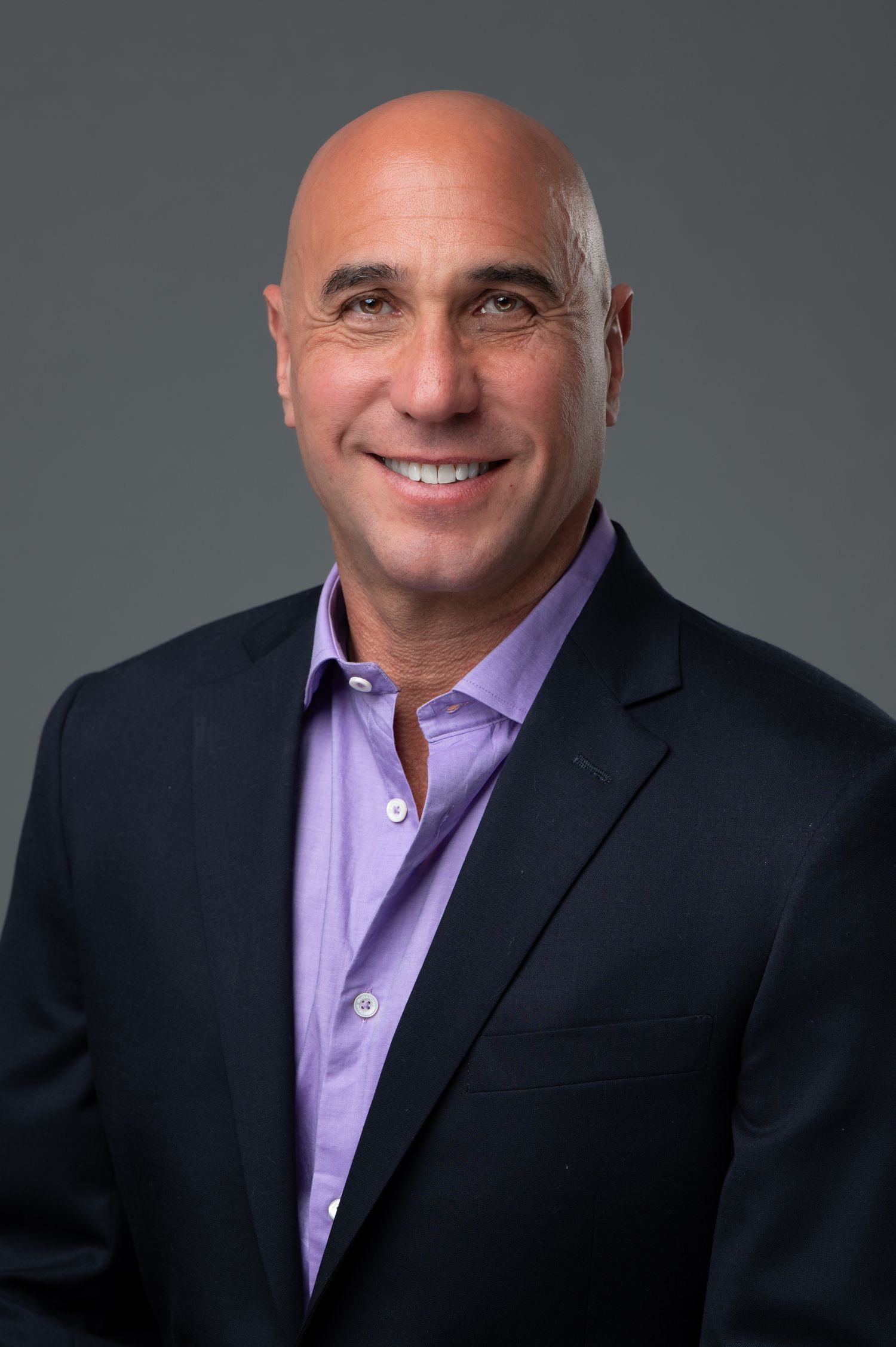
structure reads as authority
A blazer or structured jacket does something styling alone can't: it creates a strong shoulder line. On camera, that translates directly to presence and authority.
This doesn't mean formal. A blazer over a simple t-shirt or blouse in a medium tone is one of the most versatile headshot looks there is. It reads as executive without looking stiff.
Fit is non-negotiable. A well-fitted blazer from any brand outperforms an expensive jacket that doesn't sit right at the shoulders. Camera lenses pick up pulling seams, gaping buttons, and collar gaps.
bring two looks, not just options
There's a difference between bringing options and having two deliberate looks. What I recommend: one slightly more formal, one a half-step down. The formal version might go on a company bio page or press kit. The business casual version works for LinkedIn and speaker profiles.
A wardrobe change takes about two minutes and gives you flexibility in the final selection that a single look never can. Sometimes the less expected choice turns out to be the stronger image.
if you wear glasses, please tell me in advance
This comes up more than most guides acknowledge. Glasses cause glare from lighting. It's a physics problem, not an editing one. There are ways to manage it: adjusted lighting angles, anti-reflective coating, or shooting without lenses in the frames. But it requires planning ahead of time.
If you wear glasses every day, you should almost certainly be photographed in them. That's how people know you. Just give me a heads-up so we can account for it.
the comfort factor
When someone is uncomfortable in what they're wearing, it shows in the expression. There's a subtle tension around the jaw and shoulders that's hard to direct out of someone.
Wear something you feel confident in, not just something that follows the rules above. The technical factors matter, but comfort in the frame matters just as much. If you feel like yourself, it shows.
what to leave at home
- Anything with a busy pattern: stripes, plaid, florals, small prints.
- White as a primary color.
- Clothes that don't fit correctly, regardless of what you paid.
- Logos or brand marks of any kind.
- Trend-driven pieces that will date the image in a year or two.
- Large statement jewelry that competes with your face in the frame.
a quick test before you pack
Stand in front of a mirror, hold your phone at head height, and take a photo in each option. It's not the same as a professional camera or studio lighting, but it's a fast gut check. If something looks off in a phone photo, it will look worse in the final image.
the bottom line
Your headshot represents you when you're not in the room. The clothes in it should look deliberate and clean, without the viewer ever noticing them.
The best outfit for an executive headshot is one the image doesn't need to explain.